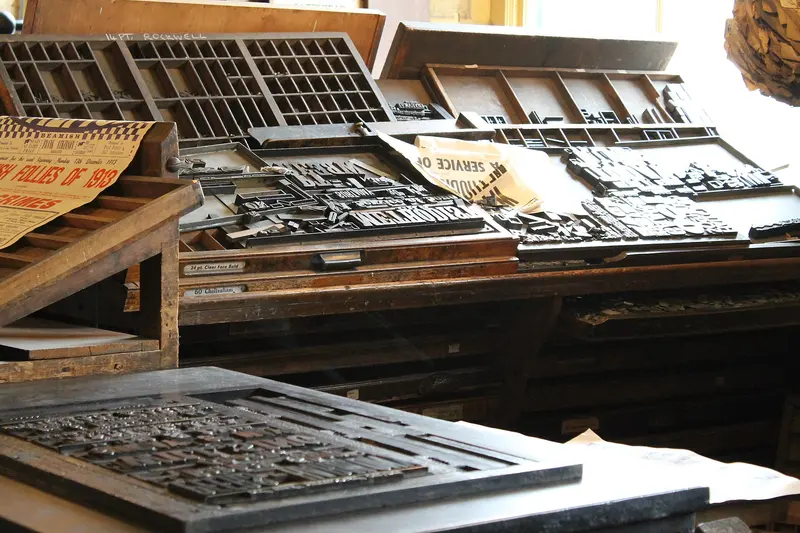
Typesetters once read every line of a proof before printing. Personalised gifts deserve the same care: once it’s engraved, stitched or printed, it usually can’t be changed.
Before you order
- Write the exact wording in a note first — capitals, punctuation, line breaks.
- Check names against something written: a wedding invitation, a birth announcement, a signature. Watch for double letters (Philippa, Matthew), hyphens and apostrophes.
- Check dates — and the date format. 06/12 means June in the USA and 6 December in the UK; writing the month as a word avoids confusion.
- Copy and paste your checked wording into the seller’s personalisation box.
When you get a proof
Many sellers send a digital proof. Read it slowly:
- Every letter of every name
- Dates and numbers
- Punctuation (missing apostrophes are common)
- Line breaks and alignment
- Font and size — is the smallest text still readable?
- Colours and the position on the item
Reply clearly: “Approved” or a numbered list of changes. Keep the conversation in the marketplace’s messages so there’s a record.
If there’s no proof
Ask whether one is available. If not, your typed personalisation is what the seller will use — so it must be right.
If something goes wrong
If the item doesn’t match what you approved, contact the seller first, with photos. Personalised goods are excluded from the usual 14-day “change of mind” cancellation right for online purchases, but goods must still be of satisfactory quality and as described. This is general information, not legal advice.
Sources
Last updated 4 October 2026. General guidance only — each seller’s own instructions and terms come first.